Gen Z Said 'Jack' Differently — And the Results Are Wild

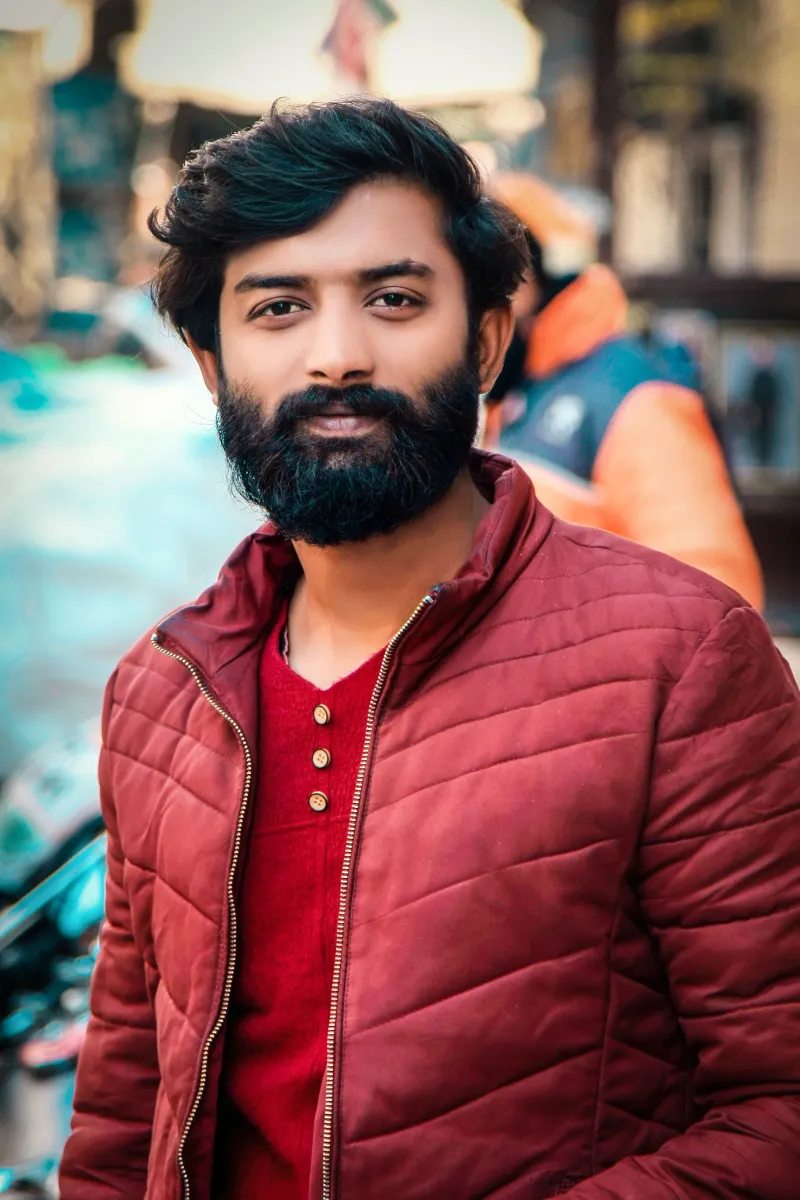
Photo: Vanmulondo, CC BY-SA 4.0, via Wikimedia Commons
If you grew up idolizing the classic Jacks — the movie stars, the rock legends, the literary outlaws — you probably have a pretty specific image in your head of what a Jack is supposed to look like. Confident. A little dangerous. Probably wearing something leather. Definitely not filming a 45-second video about their morning routine.
Well, buckle up, because Gen Z has entered the chat, and they are doing something genuinely unexpected with the name. What's happening right now in the cultural spaces where young Jacks are building their careers is less a continuation of the classic archetype and more a full-scale reinvention. It's messy, it's decentralized, and honestly? It's kind of thrilling.
The Old Playbook Got Shredded
For most of the 20th century, becoming a famous Jack followed a pretty recognizable path. You developed your craft, you got discovered, you signed with a studio or a label, and you let the machine build you into something the mainstream could consume. The fame was centralized, the image was carefully managed, and the audience was largely passive.
The young Jacks making waves right now aren't doing any of that. They're launching on TikTok before anyone from Hollywood has ever heard of them. They're releasing music directly to streaming platforms without major label infrastructure. They're building audiences in Discord servers and Substack inboxes and YouTube comment sections — spaces where the relationship between creator and fan is fundamentally more reciprocal than anything the old model allowed.
This isn't just a tactical difference. It reflects a completely different philosophy about what fame is for and what it costs.
Authenticity Over Archetype
Ask any Gen Z creator what they're optimizing for and you'll hear the same word over and over: authenticity. It sounds like a buzzword until you look at what it actually means in practice. These aren't performers carefully constructing personas designed to appeal to the broadest possible demographic. They're specific, opinionated, and often deliberately niche.
A Gen Z Jack who makes indie folk music isn't trying to cross over into pop. A Gen Z Jack who builds a following doing deep-dive video essays on obscure film history isn't angling for a late-night hosting gig. They've identified a specific audience that genuinely wants what they're making, and they're building something durable with that audience rather than chasing mass appeal.
The fascinating thing is that this approach often produces stronger fan communities than the old model ever did. When an artist is specific and authentic, the people who connect with them connect hard. They're not casual consumers — they're invested participants. And that's a very different kind of cultural power.
The TikTok Effect on a Classic Name
There's something genuinely funny about watching the name Jack — a name that evokes John Wayne movies and Hemingway novels and Jack Daniel's billboards — take root in TikTok culture. And yet here we are.
Several Gen Z entertainers named Jack have built substantial platforms on short-form video, and what's striking is how little their content resembles the classic Jack energy. There's vulnerability where there used to be swagger. There's self-deprecating humor where there used to be cool detachment. There's an openness about mental health, about failure, about uncertainty that would have been career suicide for a Jack of a previous generation.
And audiences are eating it up. Because it turns out that what people actually want from the Jacks in their lives has shifted. The invincible, unreadable, impossibly cool Jack is a compelling movie character. But the Jack who admits he's figuring it out as he goes? That's someone you actually want to follow.
Indie Music's Quiet Jack Revolution
The music world deserves its own paragraph here, because something genuinely interesting is happening. While the mainstream pop landscape remains largely Jack-free at the top of the charts, the indie and alternative scenes are quietly full of Jacks doing compelling work.
These musicians aren't chasing radio play or playlist domination. They're releasing EPs on Bandcamp, building Patreon subscriber bases, and touring small venues where they can actually talk to the people who showed up. The intimacy is intentional. And the communities they're building around their music — the fan forums, the group chats, the spaces where listeners share what a specific song means to them — are exactly the kind of thing we celebrate here at The Jack Online.
It's a smaller kind of fame than Jack Nicholson had. But it might be more sustainable. And it's definitely more human.
Rejecting the Weight of the Name
Here's a thread that keeps coming up when you talk to young entertainers named Jack: many of them are acutely aware of the name's history and are actively working against it. They know what "Jack" is supposed to look and sound like. And they're making a conscious choice to be something different.
For some, that means leaning into softness and emotional openness in ways the classic archetype would never permit. For others, it means pursuing genres and formats — ASMR content, cozy gaming streams, introspective singer-songwriter work — that have nothing to do with the rugged, dominant masculine energy the name traditionally connotes.
This isn't rebellion for its own sake. It's a genuine renegotiation of what the name can hold. And if it works — if this generation of Jacks successfully expands the cultural meaning of the name — that's actually a significant contribution to the legacy.
What This Means for the Community
For those of us who've built communities around the Jacks we love, this generational shift is both exciting and a little disorienting. The reference points are different. The cultural touchstones are different. The very definition of success is different.
But the core thing — the reason people gather around a name and build something together — hasn't changed at all. People connect with Jacks because something about the name and the people who carry it resonates with them on a level that's hard to articulate but easy to feel.
The Gen Z Jacks are giving people new reasons to feel that. And the communities forming around them are proof that the name still has plenty of life left in it — it's just living somewhere you might not have thought to look.